
Consolidating Reforms to End Forced Labor and Promoting Responsible Sourcing From Uzbekistan
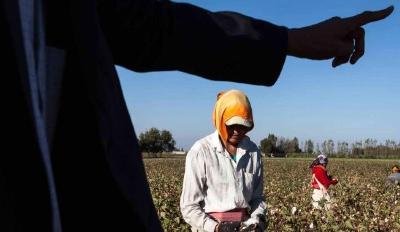
Since 2021, the government of Uzbekistan no longer uses systemic state-imposed forced labor to harvest cotton. This is a landmark achievement and the result of over 15 years of intense policy advocacy and campaigning by the Cotton Campaign coalition, combined with the Uzbek government’s political will and technical assistance and engagement by the ILO. On March 10, 2022, the Cotton Campaign ended its call for a global boycott of cotton from Uzbekistan and lifted the Uzbek Cotton Pledge. However, human and labor rights risks remain in the cotton sector in Uzbekistan. These stem from combination of factors, including civic space restrictions, constraints on freedom of association and expression, ongoing government control of the harvest, and low capacity for independent monitoring, which is exacerbated by continuing restrictions on independent groups to register and operate.
Cotton Campaign’s work to end forced labor in Uzbekistan cotton: key actions and milestones
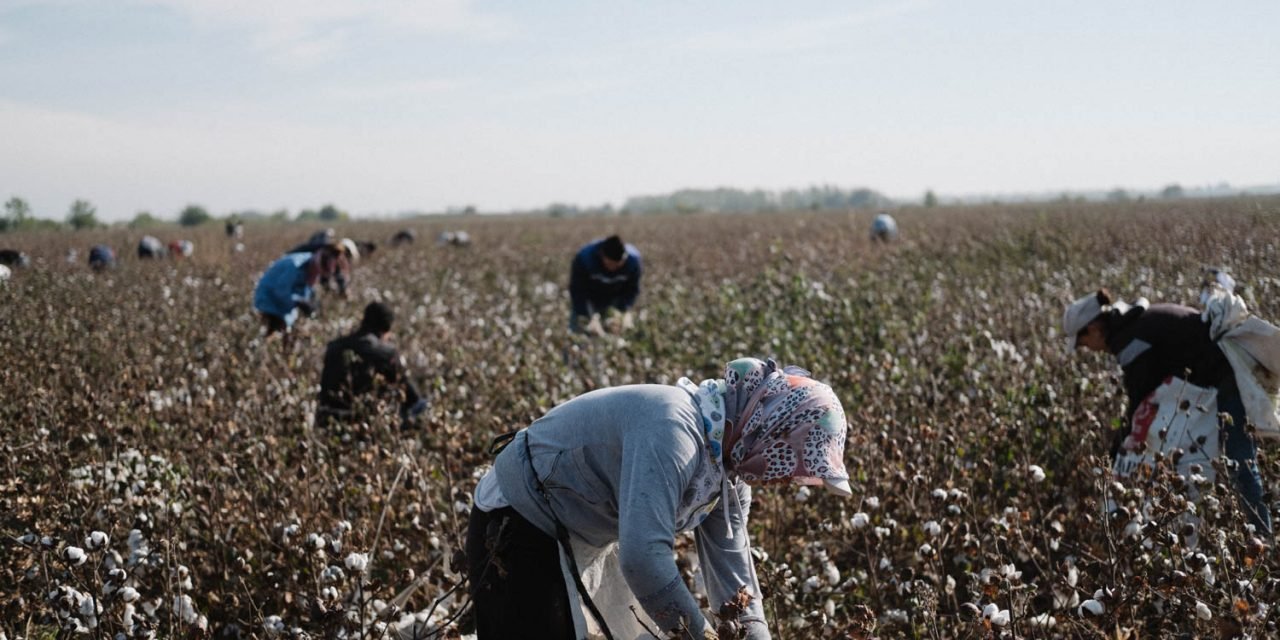
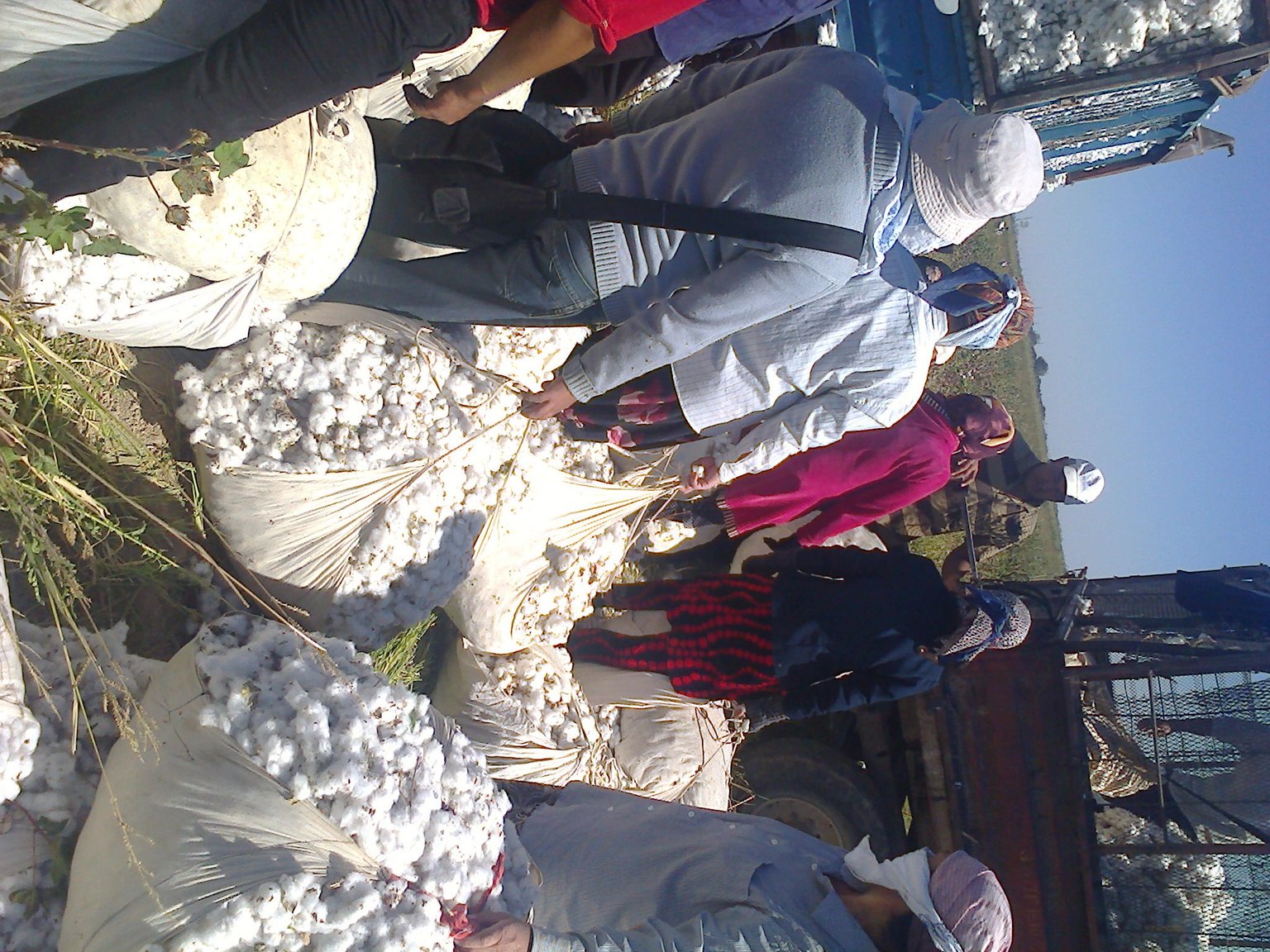
When the Cotton Campaign launched in 2007, the Uzbek government was forcing over one million children and adults, including medical staff, public sector employees and students, to pick cotton every year during the harvest. In 2009, Uzbek civil society activists launched a petition calling for a boycott of Uzbek cotton to raise awareness of the scale and impact of the abuses.
Several brands had already banned forced labor and Uzbek cotton in their supply chains. Many others joined following the call by civil society. The Cotton Campaign consolidated these efforts by launching the Uzbek Cotton Pledge. Over 330 brands and retailers signed the Pledge and publicly committed to not use Uzbek cotton in their products as long as it is produced with state-orchestrated forced labor.
Under pressure from the boycott and the Cotton Campaign’s accountability actions, the Uzbek government stopped forcing children to pick cotton by 2014. However, it continued to deny the forced labor problem and attempted to prevent reporting. Children were no longer forced to pick cotton, but adult forced labor intensified. The arrests and retaliation against labor rights defenders escalated in 2015. The Cotton Campaign and Uzbek activists continued to push for reform.
In addition to the Pledge, the Cotton Campaign employed a wide range of research, policy, legal, and campaigning tools, including:
Independent monitoring of the annual cotton harvest in Uzbekistan by Cotton Campaign’s frontline partner Uzbek Forum for Human Rights;
Human rights advocacy with governments, international financial institutions, and global brands and retailers;
Accountability actions against the Uzbek government, including promptly reporting in the international arena on cases of arbitrary detention, threats, and degrading ill-treatment against human rights activists and independent labor monitors; and
Advocacy with the government of Uzbekistan to engage constructively in Uzbekistan’s reform process.
In 2017, after a decade of international pressure, the government of Uzbekistan embarked on an ambitious reform program to end systematic, state-imposed forced labor. But with its primary focus on economic reforms, the Uzbek transformation process has not sufficiently emphasized the need to empower civil society and develop effective institutions for transparency and accountability in the cotton sector.
Cotton Campaign Roadmap of Reforms for Uzbekistan
In 2019, the Cotton Campaign submitted to the government of Uzbekistan a comprehensive Roadmap of Reforms to end forced labor in the cotton industry and ensure that reforms are fundamental and sustainable. The Roadmap, which was received positively by the government, outlines the three core objectives that are complementary and mutually reinforcing: i) end systemic forced labor; ii) enact structural reforms; and iii) empower civil society to create an enabling environment for labor rights. The Cotton Campaign commends the Uzbek government for having successfully achieved Objective 1, and urges that tangible progress is made towards broader reforms to increase the farmers’ autonomy, empower civil society, and create an enabling environment for labor rights.
Recommendations
-
Introduce broader reforms to empower civil society and develop effective institutions to provide transparency and accountability across all aspects of the cotton sector.
Take steps to ensure that textile clusters uphold international labor standards across all stages of production.
Uphold commitments to implement ILO Convention 87 on Freedom of Association and Protection of the Right to Organize and Convention 98 on the Right to Organize and Collective Bargaining.
Do not obstruct workers or employers, including farmers, from creating independent representative organizations and unions.
Ratify the ILO Minimum Wage Fixing Convention (No. 131) and take steps to set a minimum wage that reflects the minimum income necessary for a cotton worker at all stages of production to meet the basic needs of herself and her family, including some discretionary income.
Develop and enact human rights due diligence (HRDD) legislation.
In particular, to the Ministry of Justice:
Permit the timely and straightforward registration of independent human and labor rights NGOs in the country. Desist from rejecting registration applications on non-substantive errors and permit immediate correction of such errors without the need to resubmit.
In particular, to the Ministry of Labor and Employment:
Engage constructively with international and domestic independent human and labor rights NGOs, the Cotton Campaign, and the ILO, to implement ILO Convention 87 on Freedom of Association and the Protection of the Right to Organize and ILO Convention 98 on the Right to Organize and Collective Bargaining.
Train labor inspectors on international labor standards and best practices for implementation.
Continue and strengthen its engagement with the Cotton Campaign in the areas of labor inspection investigations, capacity building on international labor standards, monitoring the implementation of international labor standards at cotton farms and clusters, and worker empowerment, to ensure decent work in the cotton sector.
In particular, to the Ministry of Agriculture:
Take steps to ensure transparency and fairness in land allocation and prevent arbitrary land confiscation.
Take steps to ensure meaningful consultation with farmers in the process of setting the price that cotton clusters pay for raw cotton.
Publicly support farmers’ efforts to create an independent Association to represent and and protect their interests.
Ensure that all farmers have access to and copies of their land lease contracts.
-
Commit to fair recruitment practices for workers at all levels of the supply chain - including cotton pickers and workers in production facilities - in accordance with the ILO General principles and operational guidelines for fair recruitment and definition of recruitment fees and related costs. This means ensuring that prospective workers receive correct information on their working and living conditions; that workers are not asked to make advance payments; and that workers are formally registered at the relevant administrative authorities.
Provide all workers with written employment contracts and monthly payslips in a format that workers can understand.
Pay all categories of workers, from apprentices to skilled workers, a wage that enables them to cover their basic needs and have a discretionary income.
Facilitate the establishment and functioning of democratically-elected, independent, farm-level and factory-level trade unions and worker organizations. Engage in good faith dialogue with these unions and organizations with a view to producing collective bargaining agreements that are respected and implemented, and regularly renegotiated as per the law.
Ensure that international labor standards are upheld across all stages of production. To this end, allow labor rights organizations to conduct labor rights training with employees and management.
Engage in good faith with the Cotton Campaign and the international brands and retailers that wish to source from Uzbekistan in order to align workplace practices with international labor standards.
-
Assess whether sourcing Uzbek cotton goods meets their human and labor rights commitments and legal obligations to not use forced and exploitative labor in their supply chains.
Each company looking to source from Uzbekistan must evaluate whether it has the means and capacity to effectively implement human rights due diligence and mitigate human rights risks in its Uzbek supply chain.
Exercise human rights due diligence in all aspects of their interactions with the Uzbek textile industry, from evaluating its commercial attractiveness to establishing and maintaining commercial relationships with Uzbek clusters.
The vertical integration of the Uzbek supply chain requires brands to conduct human rights due diligence to identify, prevent, mitigate, and account for adverse human rights impacts at all levels of production, including the cotton farms controlled by the supplier clusters, their spinners, fabric mills, and cut-make-trim units.
Actively commit to furthering freedom of association and collective bargaining. Facilitate the establishment and functioning of democratically-elected, independent, farm and factory-level trade unions and worker organizations.
Adhere to responsible purchasing practices that enable those involved in all tiers of the supply chain to offer decent work, including offering employment contracts, and paying a living wage to their workers.
Responsible purchasing practices across all levels of the cotton supply are essential to ensure decent work for cotton workers. These cover business relationships between brands and their direct suppliers, and between suppliers and their sub-suppliers, all the way down to the cotton farmers.
Responsible purchasing practices include:
Fair contractual terms;
Fair prices based on fair and ‘open costing’;
Mutual agreement between buyer and supplier on production planning and lead times;
Reasonable payment terms;
No unilateral suspension of cancellation of contracts;
Transparency about purchasing practices and costing methodologies. Contracts between buyer and supplier should not contain clauses that deny parties the right to publicly disclose such information.
Ensure that the clusters they work with (suppliers) do not directly, or through the involvement of local officials, exploit farmers by requesting them to sign blank contracts, delay payments, or renege on contractually agreed terms.
Publicly support the farmers’ efforts to create an independent Association that promotes and protects their interests.
Engage in good faith with the Cotton Campaign and explore the possibility of sourcing through the Cotton Campaign Framework for Responsible Sourcing.
The Framework was designed to ensure that brands can begin sourcing from Uzbekistan in a manner consistent with their human rights due diligence requirements and legal obligations.
Key elements of the Framework include:
A co-governed Board with equal representation of brands, labor, and textile clusters;
Implementation of ILO standards at all levels of the textile supply chain;
Independent grievance mechanisms and access to effective remedy;
Independent and ongoing monitoring;
Accountability at both supplier & buyer levels;
Capacity building and contributing to an enabling environment for labor rights, including freedom of association.
-
In the context of political and trade relations with Uzbekistan, both bilateral and in EU/international settings - for example, as part of the European Commission’s ongoing engagement with Uzbekistan under the GSP+ Arrangement - urge the government of Uzbekistan to implement the recommendations outlined in the section above.
As Uzbekistan seeks to establish itself in the global textile market, it is crucial that all governments join responsible brands, investors, and civil society organizations in conveying to the Uzbek government that:
Under corporate due diligence and liability laws in Europe and the U.S. and in accordance with international standards for responsible sourcing including the UN Guiding Principles on Business and Human Rights and the OECD Due Diligence Guidance for Responsible Supply Chains in the Garment and Footwear Sector, the brands and retailers that are interested in sourcing from Uzbekistan must be able to identify, prevent, and mitigate the risks of forced labor and exploitative working conditions in their Uzbek supply chain.
Independent human and labor rights NGOs, independent trade unions, workers’ organizations, and independent farmers’ associations are essential to ensure these risks are minimized and can be addressed through meaningful consultation with affected stakeholders, which is a key requirement of brands within the mandatory human rights due diligence framework.
Promote freedom of association and freedom of speech as essential components of an enabling environment.
Urge Uzbekistan to register independent NGOs as part of its binding international legal obligations.
-
All licensing and certification schemes, covering in scope either the farm or production levels of the Uzbek supply chain, should:
Consult with the Cotton Campaign and independent civil society organizations in decision-making about the development and/or implementation of programs and projects in Uzbekistan.
Prior to starting a program/project in Uzbekistan, conduct comprehensive due diligence, including a risk analysis and assessment of the enabling environment for labor rights.
This exercise should take into account the implementation of reforms to end forced labor in practice, a gap analysis, and mitigation strategies.
Use their influence to advocate for broader reforms to empower civil society and achieve an enabling environment for labor rights.
-
Conduct meaningful due diligence in any project or investment connected to the cotton sector to ensure that labor rights are protected.
Ensure all projects are in full compliance with performance standards regarding stakeholder engagement, freedom of association, mitigation requirements, and access to complaints mechanisms (Performance Standard 2).
Provide meaningful, accessible and efficient grievance mechanisms for affected stakeholders to report and remediate rights violations.
Conduct meaningful stakeholder engagement prior to lending and ensure all project information is readily accessible in Russian and Uzbek.
Press Statement on the 2024 Harvest
Increasing Farmers’ Autonomy Critical To Address Forced Labor Risks And Attract Responsible Sourcing
(March 12, 2025) Uzbekistan should reinforce reforms to address structural issues that contribute to ongoing forced labor risks in cotton production, the Cotton Campaign said. Such measures would ensure the emerging textile industry can meet international labor standards necessary to attract responsible sourcing by global brands. The call comes as Uzbek Forum for Human Rights, Cotton Campaign's frontline partner, today published its findings of independent civil society monitoring of the 2024 cotton harvest in Uzbekistan.
The report shows that financial challenges in the cotton sector disadvantaged farmers, weakening their ability to pay rates high enough to incentivise voluntary cotton picking. The report, “There Is A Lot Of Cotton, But No One To Pick It”, also found that forced labor risks remain due to factors that include the government’s imposition of cotton production targets and strict control of the harvest. These practices show that the cotton production system remains coercive, despite the elimination of systemic state-imposed forced labor in the harvest. This was further reinforced mid-way through the 2024 harvest, as the government lowered the price cotton companies were obligated to pay farmers for their crop, despite existing contracts between farmers and the companies.

Uzbek Civil Society at the Core of the Cotton Campaign
The elimination of systemic state-imposed forced labor in the cotton sector in Uzbekistan, in 2021, would not have been possible without Uzbek civil society: brave human rights activists and labor monitors who called for an end to forced labor and documented abuses, despite harsh retaliation, including arbitrary detention, intimidation, and violence. Moving forward, civil society, activists, and journalists play a key role in ensuring real progress toward decent work and sustainable economic growth.
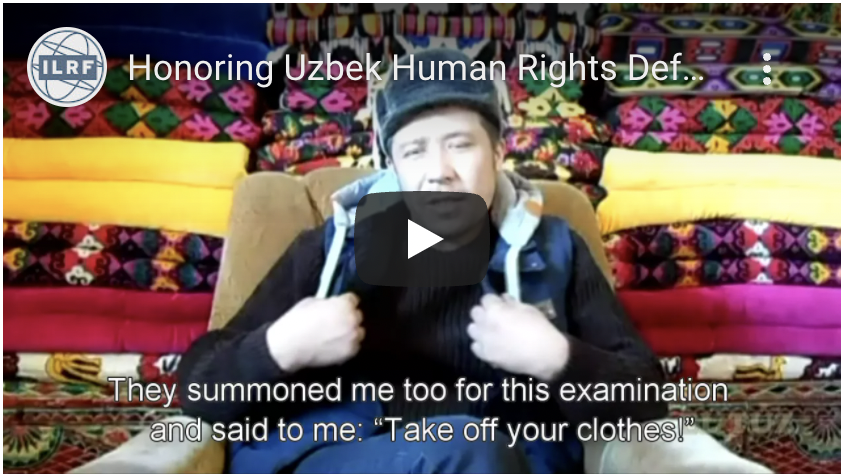
Findings of independent civil society monitoring have been the driver behind the Cotton Campaign’s advocacy and actions. Since 2010, Uzbek Forum for Human Rights, the Cotton Campaign’s frontline partner, has monitored the harvest each year. Uzbek Forum works with a network of independent and trained monitors. They are highly skilled in monitoring labor and human rights issues and have a wide range of contacts in rural communities. Their monitoring is in-depth, using mixed methods and focusing on root causes/drivers of forced labor and exploitative working conditions. Every year, Uzbek Forum conducts interviews with cotton pickers, farmers, local government officials, and employees of (state) organizations directly involved in the cotton harvest, and collects and analyzes information received through media and social media.

In 2009, Uzbek civil society activists launched a petition calling on international stakeholders to boycott forced labor Uzbek cotton.

Cotton Campaign Framework for Responsible Sourcing from Uzbekistan
The Cotton Campaign encourages responsible sourcing of yarn and cotton products from Uzbekistan. To support brands in conducting their human rights due diligence and ensure that labor rights are respected at every level of the Uzbek supply chain, the Cotton Campaign developed a Framework for Responsible Sourcing. We encourage all brands exploring sourcing from Uzbekistan to reach out to us to explore how to operationalise this Framework through a pilot program.The Cotton Campaign Framework offers international brands and retailers, Uzbek cotton producers, and labor organisations the opportunity to work collaboratively to establish and maintain strong labor practices and turn Uzbekistan into a key sourcing country for sustainable cotton and textiles.
-
The Framework for Responsible Sourcing provides the critical elements to ensure adherence to international labor standards, without which the Cotton Campaign urges buyers not to source from high-risk countries, like Uzbekistan.
These elements include:
Traceability of the cotton from the field through to yarn, textile, and finished goods
It provides a level playing field by creating a pool of responsible buyers and a pool of responsible suppliers
A co-governed Board with equal representation of brands, labor, and textile clusters
Implementation of ILO standards at all levels of the textile supply chain
Independent grievance mechanism and access to effective remedy
Independent and ongoing monitoring
Accountability at both supplier & buyer levels
Capacity building and contributing to an enabling environment for labor rights, including freedom of association
Signatories contribute to promoting strong industry standards and a collaborative approach
-
The Cotton Campaign Responsible Sourcing model is based on the key elements of effective human rights due diligence: a risk-based approach to identifying and addressing human rights impacts, meaningful engagement with affected stakeholders, access to effective remedy, and responsible sourcing practices.
There is increasing evidence that social audits are not fit for the purpose of identifying labor rights abuses at all levels of the supply chain, and in particular in environments with a high risk of forced labor.
The Cotton Campaign discourages brands and retailers from using social audits as a risk-mitigation strategy.
In practice, the Cotton Campaign model is different from social audits in that:
It entails the establishment of a grievance mechanism that provides effective remedy at all levels of the supply chain, in accordance with the criteria for non-judicial grievance mechanisms established by the UNGPs: legitimacy, accessibility, predictability, equitability, transparency, rights-compatibility, and consultation with affected stakeholders
It entails comprehensive, ongoing, and on-site monitoring of the implementation of International Labor Standards, as opposed to annual/bi-annual surveys conducted by auditors
The funding model for the Responsible Sourcing Framework considers all actors of the supply chain, as opposed to the audit model, where the suppliers are expected to pay the full costs of social audits

The Uzbek Cotton Pledge
In 2010, the Cotton Campaign and its partner Responsible Sourcing Network (RSN) launched the Company Pledge Against Forced Labor in the Cotton Sector of Uzbekistan. By signing it, brands and retailers publicly committed to not use Uzbek cotton in their products as long as it was produced with state-orchestrated forced labor. The Pledge used standardized language building on the companies’ own human and labor rights commitments and legal obligations to not use forced labor in the production of their products. By 2021, the Pledge reached over 330 signatories. Review the list of signatories here.
On March 10, 2022 the Cotton Campaign announced it ended its call for a global boycott of cotton from Uzbekistan and lifted the Pledge. The announcement came as Uzbek Forum for Human Rights released its monitoring report finding no state-imposed forced labor in the 2021 cotton harvest. However, human and labor rights risks remain and the Cotton Campaign has developed a Framework for Responsible Sourcing to ensure meaningful implementation of human rights due diligence at all stages of production—including the cotton farms, spinners, fabric mills, and manufacturing units—by establishing credible, independent mechanisms for monitoring, capacity building, grievance, and remedy. We encourage all brands exploring sourcing from Uzbekistan to reach out to us to explore how to operationalise this Framework through a pilot program.
News




Resources